
01
Electricity-use profile
When and how energy is used matters alongside the total consumed.
ENERGY STORAGE
Battery storage can be planned alongside solar generation or wider electrical requirements. Its role depends on how a home, business or facility uses energy.
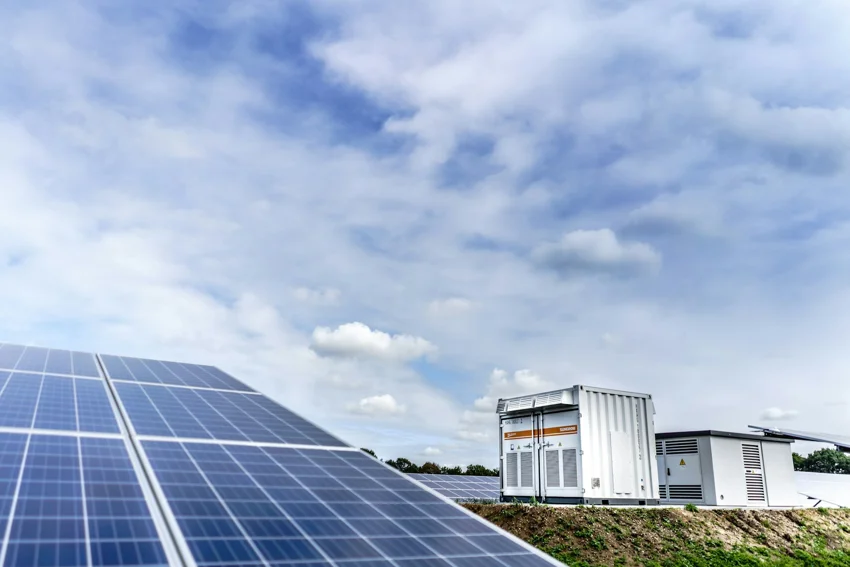
WHY CONSIDER ENERGY STORAGE
Storage is an option to explore against a clear energy objective. It is not automatically required for every solar installation.
Keep some generated energy for later use where the system allows it.
Coordinate solar generation with the timing of energy demand.
Support defined operating objectives through an appropriate design.
Add flexibility to a wider electrical and energy plan.
Consider changing household or facility requirements over time.
Plan solar, storage and electrical integration as connected decisions.
STORAGE IS SITE-SPECIFIC
These factors guide an initial discussion. A final recommendation requires a site-specific assessment.
When and how energy is used matters alongside the total consumed.
Where solar is involved, likely generation helps frame the storage role.
Any loads intended for backup require a defined technical scope.
The existing system affects how storage may be connected.
Usable space and placement need practical review.
A clear purpose helps determine whether storage fits at all.
Changing demand, EV charging or expansion may affect planning.
Access and installation practicalities form part of an assessment.
UNDERSTANDING ENERGY USE
A consumption total alone does not define a storage requirement. The timing of demand, priority loads, solar generation, operating behaviour and intended battery role all matter. For businesses, operating hours and demand characteristics add further context.
These provide useful context alongside your goals and existing system details. Document upload is not currently available through this page.
HOW ENERGY STORAGE CONNECTS
Storage is a connected option within the system, rather than a mandatory stop for electricity on its way to a building.
Electricity generated at the site
Equipment prepares usable power
Home or facility uses energy
Stores energy where appropriate
Integration depends on design
Conceptual relationships only. Actual energy paths, battery operation and grid interaction depend on the system design and applicable electrical requirements.
DIFFERENT ENERGY CONTEXTS
The intended role of storage depends on the people, loads and site it serves.
Solar generation, when energy is used, changing household demand and future EV charging can shape a storage discussion. Selected backup objectives need a system specifically designed for them.
Explore residential solarOperating schedules, load patterns, electrical infrastructure and possible expansion influence planning. Business continuity objectives require a defined technical scope.
Explore business solarSTORAGE PLANNING JOURNEY
A structured conversation establishes the intended role before equipment and installation are considered.
WHAT SDE CONSIDERS
Planning connects site conditions, the intended role and practical integration rather than starting with a battery product.
CONNECTED CAPABILITIES
These services may connect to storage where relevant. Explore existing solution areas without assuming every site needs all of them.
Plan generation and storage in the context of the same site.
Explore capabilityDefine integration and delivery around technical requirements.
Explore capabilityConsider electrical equipment and connection requirements.
Explore capabilityUnderstand how energy is used before defining a solution.
Explore capabilityReview demand alongside generation and storage planning.
Explore capabilityConsider future charging requirements in the wider energy picture.
Explore capabilityKeep inspection and system care in view after handover.
Explore capabilityENERGY STORAGE FAQS
Useful starting points before a site-specific recommendation.
No. A battery is a design choice. Its usefulness depends on energy-use patterns, the electrical setup and what you want the wider system to do.
A design considers the intended role, energy-use timing, relevant loads, any solar generation and the site's electrical configuration. A capacity cannot be recommended from a bill total alone.
It may be possible, depending on the existing equipment, electrical configuration, available space and the proposed storage design. The site and system need to be assessed first.
Backup requires an appropriately designed system. It depends on the equipment, electrical configuration and which loads are specifically protected; having a battery does not automatically provide whole-property backup.
Recent bills or usage records, details of any existing solar system, the property or facility location, operating patterns and your intended storage objectives are useful starting points.
LET’S START A CONVERSATION
Discuss your property, energy use, existing solar system
and what you want storage to achieve.