
01
Roof / site area
Available, usable space helps define where solar may fit.
COMMERCIAL & INDUSTRIAL SOLAR
Commercial and industrial solar begins with understanding how a site uses energy, how it operates and how generation can be integrated into the wider electrical system.
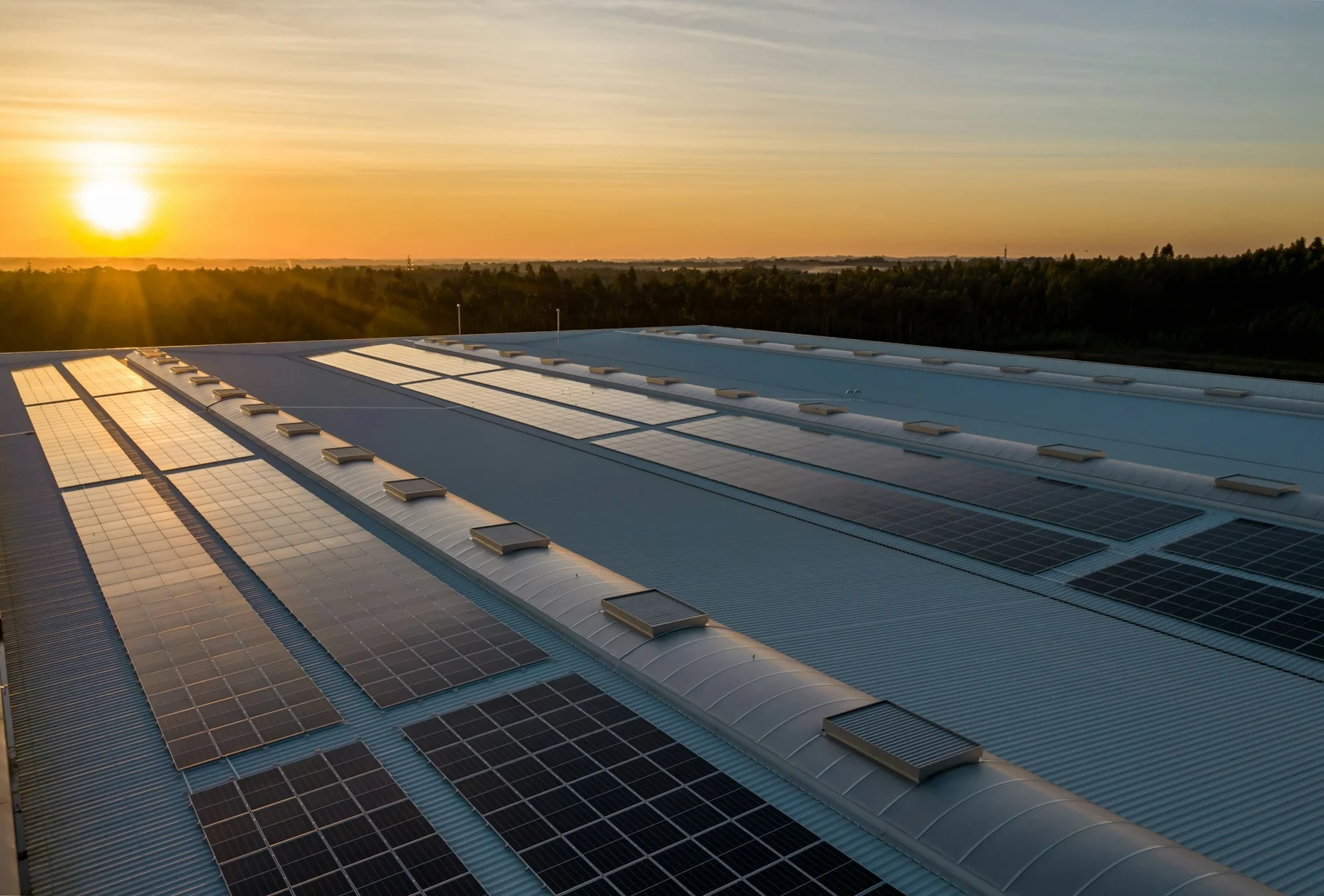
WHY CONSIDER C&I SOLAR
Solar PV is one option for suitable business and facility sites. Its value depends on the property, the electricity-use pattern and how generation can be integrated with operations.
Use available rooftop or suitable site space for electricity generation.
Potentially reduce dependence on grid-supplied electricity where appropriate.
Consider energy infrastructure in longer-term planning.
Coordinate future storage, EV charging or efficiency measures where relevant.
Plan generation around operating and electrical requirements.
EVERY FACILITY IS DIFFERENT
A useful assessment looks beyond roof size to the way the facility operates.
Available, usable space helps define where solar may fit.
Roof condition and structural considerations need site-specific review.
Sun exposure and shading influence generation potential.
Existing distribution and connection arrangements affect integration.
The times a facility runs help frame how generation may be used.
Load patterns add context beyond a single bill total.
Safe access matters for assessment, delivery and maintenance.
Expansion or changing energy needs may shape the plan.
UNDERSTANDING YOUR ENERGY USE
Recent usage and operating patterns help frame system planning. Electricity bills or records, major loads, operating hours, known peak-demand patterns and planned changes can all add useful context.
These can help build a clearer picture during consultation. Document upload is not currently available through this page.
APPLICATIONS
These are examples of site types where solar may be assessed, subject to their specific conditions.
HOW COMMERCIAL & INDUSTRIAL SOLAR WORKS
Solar PV becomes one part of the site’s electrical system and operating pattern.
Panels convert sunlight into DC electricity.
Inverters prepare electricity for compatible site use.
Operating equipment and buildings use energy.
Generation is integrated with site infrastructure.
Grid interaction depends on design and applicable requirements.
Storage can be considered where operational objectives and the wider system design support it.
ENGINEERING & DELIVERY
Engineering connects the assessment to procurement, physical delivery and system handover.
Understand the site, electricity use and operational requirements.
Define system objectives and practical constraints.
Develop the technical solution and integration approach.
Coordinate equipment and project requirements.
Carry out the physical works to the defined scope.
Check operation and prepare the system for handover.
Consider ongoing operational care where required.
SOLAR + ENERGY STORAGE
Storage is a site-specific consideration within a wider electrical system.
It may allow generated energy to be stored for later use and offer more flexibility in coordinating generation with site loads. The role and integration of a battery should be established through planning for the facility’s needs.
Explore energy storageENERGY BEYOND GENERATION
Audits and efficiency considerations can inform a wider energy plan.
Review where and how a facility uses energy to establish a clearer planning baseline.
Identify practical opportunities to improve the way energy is used across operations.
AFTER INSTALLATION
Inspection, maintenance and operational care help keep the installed system’s condition and operation in view. The appropriate scope of ongoing support depends on the facility and the system delivered.
WHAT SDE CONSIDERS
Site conditions, energy use and operational constraints need to be understood together before a technical proposal is defined.
CONNECTED COMMERCIAL & INDUSTRIAL CAPABILITIES
Supporting capabilities can complement solar PV where they fit the facility’s objectives.
Consider storing generated energy when site needs warrant it.
Understand where and how energy is used.
Identify practical ways to use energy more effectively.
Consider charging within the site energy plan.
Plan for the wider electrical integration.
Keep system inspection and care in view.
COMMERCIAL & INDUSTRIAL SOLAR FAQS
A site-specific assessment is needed before a system can be recommended.
A site assessment can review usable area, roof or ground conditions, shade, access and electrical infrastructure. Electricity use and operating needs also help establish suitability.
Planning starts with site conditions, operating patterns and electricity demand. Those findings inform technical design, integration considerations and a defined proposal.
Recent electricity bills or usage records, operating hours, major loads, known peak-demand patterns and planned changes are useful starting points. A site assessment may follow.
Storage may be considered when it serves clear operational objectives. Its role, electrical integration and suitability need to be assessed for the specific site.
The installed system is tested, prepared for operation and handed over. Inspection, maintenance and operational support may then be considered according to site needs.
LET’S START A CONVERSATION
Start with your site, electricity use, operating requirements
and what you want the energy system to achieve.